UP SOLAIR empowers HR Professionals through a Symposium on Total Rewards
By: IR 212 Class and Arman Mangilinan of CIPC Date: 06 December 2025
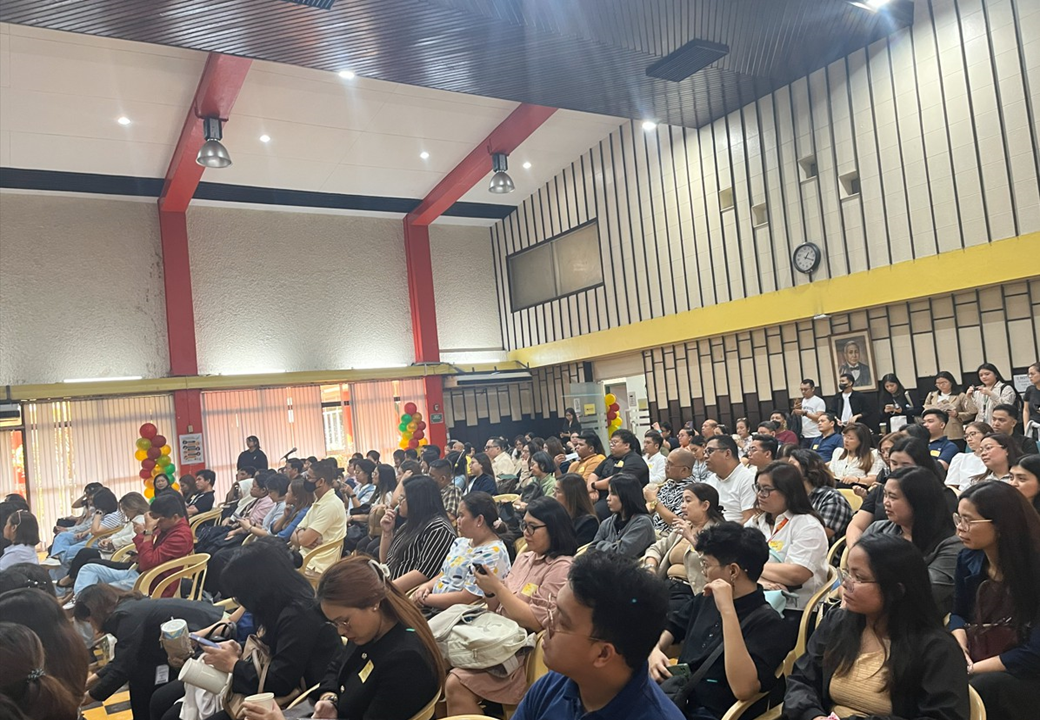
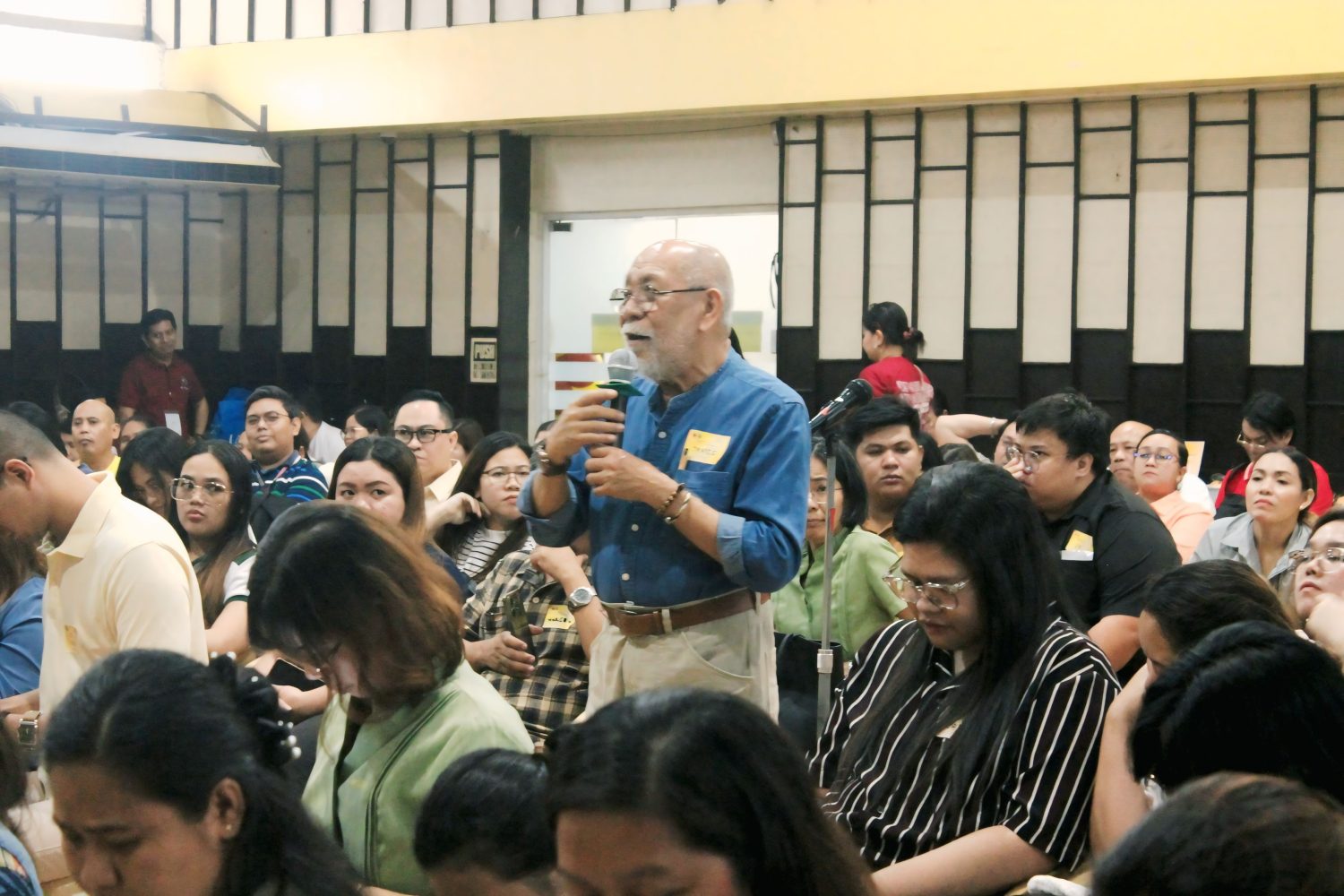
In an overflowing 184 participants, UP SOLAIR’s “FromCompensationtoCommitment: TheTotalRewardsEdge” symposium drew record crowds from HR and IR practitioners and industry partners at the SOLAIR Auditorium on December 2, 2025. At one point, organizers had to add extra chairs to accommodate Standing Room Only participants.
The strong turnout reflected the growing interest in how strategic total rewards can move organizations beyond traditional pay-and-benefits structures toward deeper employee commitment and engagement. The event was organized by the Industrial Relations (IR) 212 (Job Evaluation and Wage/Salary Administration) class of Dr. Virgel Binghay, in collaboration with the Center for Industry Productivity and Competitiveness (CIPC) and Mercer Philippines, highlighting the value of academe–industry partnership in expanding progressive HR practice.
The IR 212 class is composed of: Imee D. Entena, Cosca Tuazon, Elaine Enriquez, Neeca Duncil, Cristel Ibanez, Ivy Nombre, Doms Victoria, and Atty. Mike Daquinod.
Programoverview
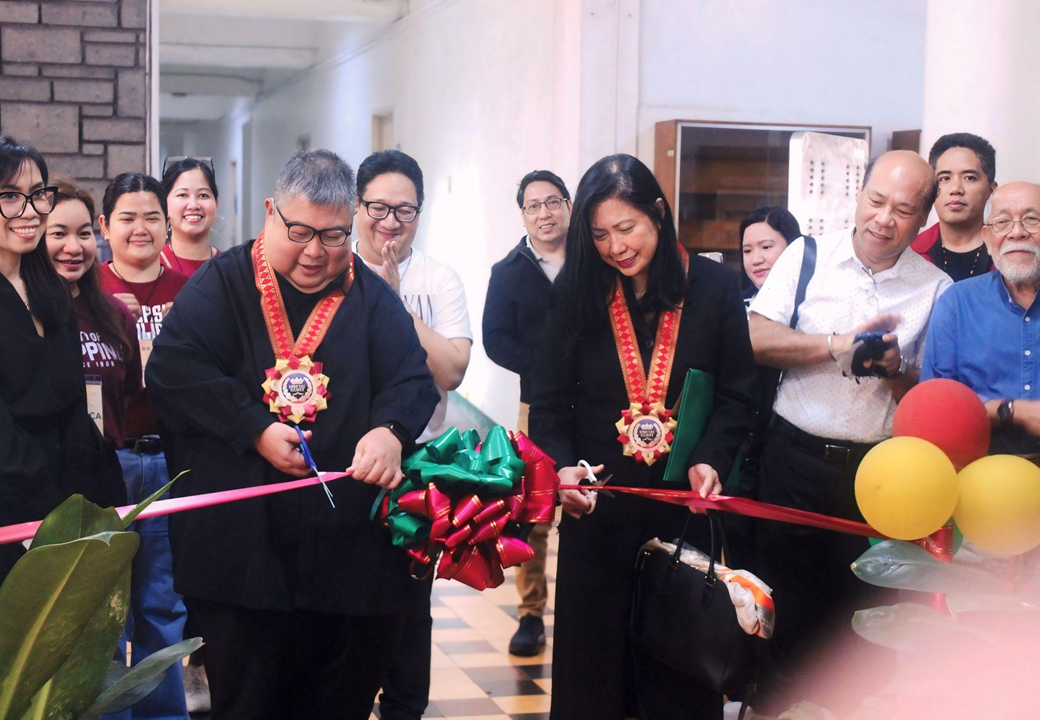
The half-day program began with a ribbon-cutting ceremony at the Bonifacio Hall hallway, led by the IR 212 class, Dr. Virgel C. Binghay, guest speakers Mr. Freddie Marquez, Jr., Ms. Ruby Gealon, and Mercer representative Ms. Joyce Adan, Assistant Vice President for Business Development. This marked the opening of the IR 212 class exhibit on Total Rewards.
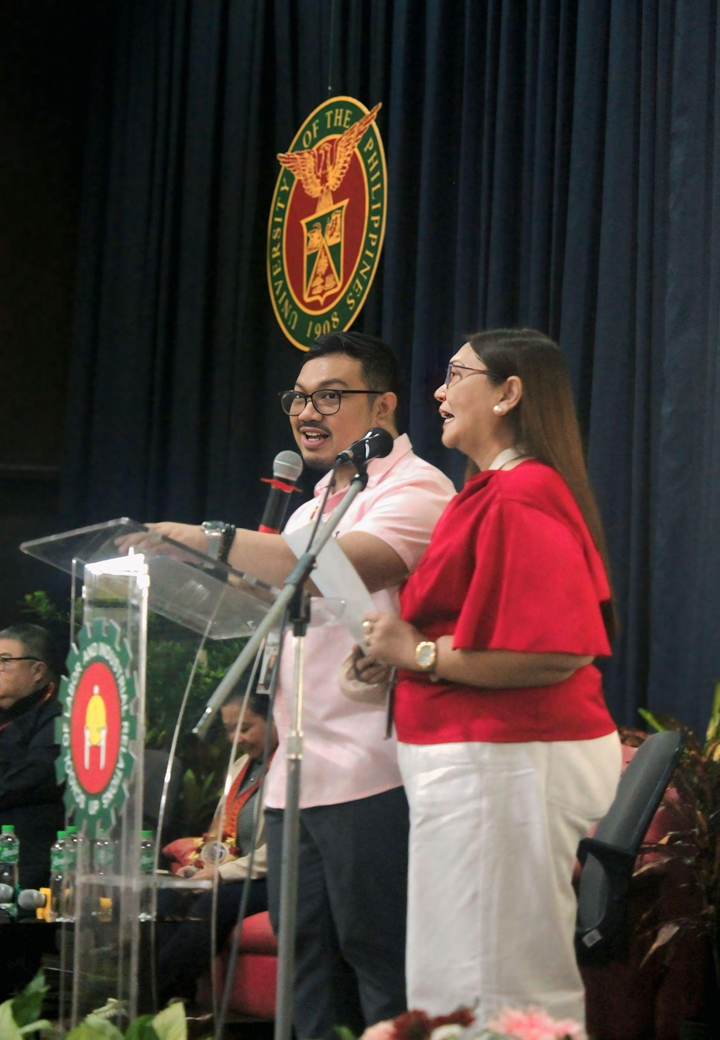
After the ribbon cutting, the attendees proceeded to the Auditorium for the formal opening ceremony. The program, led by host Arman Mangilinan,researcher from CIPC–UP SOLAIR, opened with a prayer and the singing of the Philippine National Anthem.
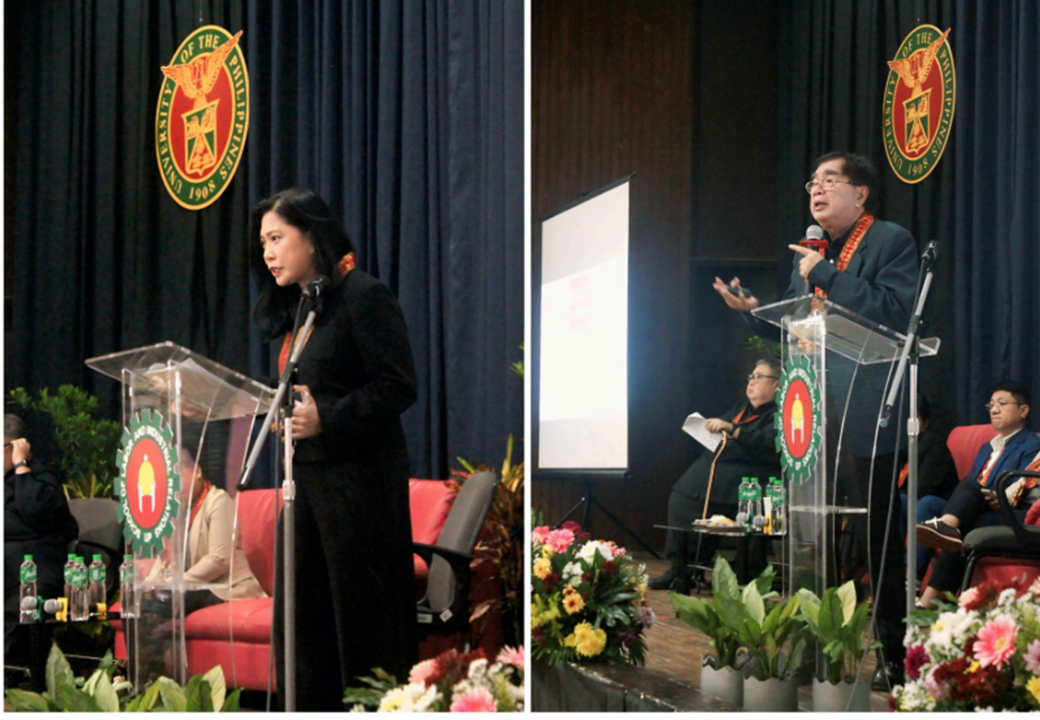
Dr. Virgel C. Binghay, Director of CIPC and UP SOLAIR Professor, and QA Officer, delivered the Opening Remarks, emphasizing the importance of total rewards in shaping a future-ready workforce. Then, the introduction of speakers and their profiles was handled by Elaine Enriquez of the IR 212 class.
The sessions explored how organizations can transform compensation-focused practices into holistic total rewards strategies aligned with employee motivation, performance, and long-term organizational goals. Throughout the afternoon, the moderator guided participants through structured talks and discussions that built from foundational concepts to emerging trends in the field.
Key sessions and speakers: Ms. Floriza Molon (Mercer Philippines) Principal and Business Leader for the Career Rewards Topic: Current Trends and Strategies for Aligning Total Rewards with Employee Commitment. Her presentation highlighted how comprehensive reward systems, spanning compensation, benefits, recognition, and career development, can drive loyalty, productivity, and organizational performance.
Ms. Ruby Gealon (Ubiquity) Global Director of Total Rewards Topic: Building a Culture of Commitment Through Strategic Total Rewards Programs (Best Practices in Total Rewards)
Gealon shared case examples and best practices demonstrating how structured reward programs can enhance retention, strengthen organizational culture, and improve the employee experience.
Mr. Federico “Freddi” R. Marquez, Jr. Governor, Employers’ Confederation of the Philippines (ECOP) Topic: Future Trends in Total Rewards: Personalized and Flexible Compensation Packages Marquez discussed the growing demand for flexibility, personalization, and well-being initiatives as essential components of the modern rewards landscape.
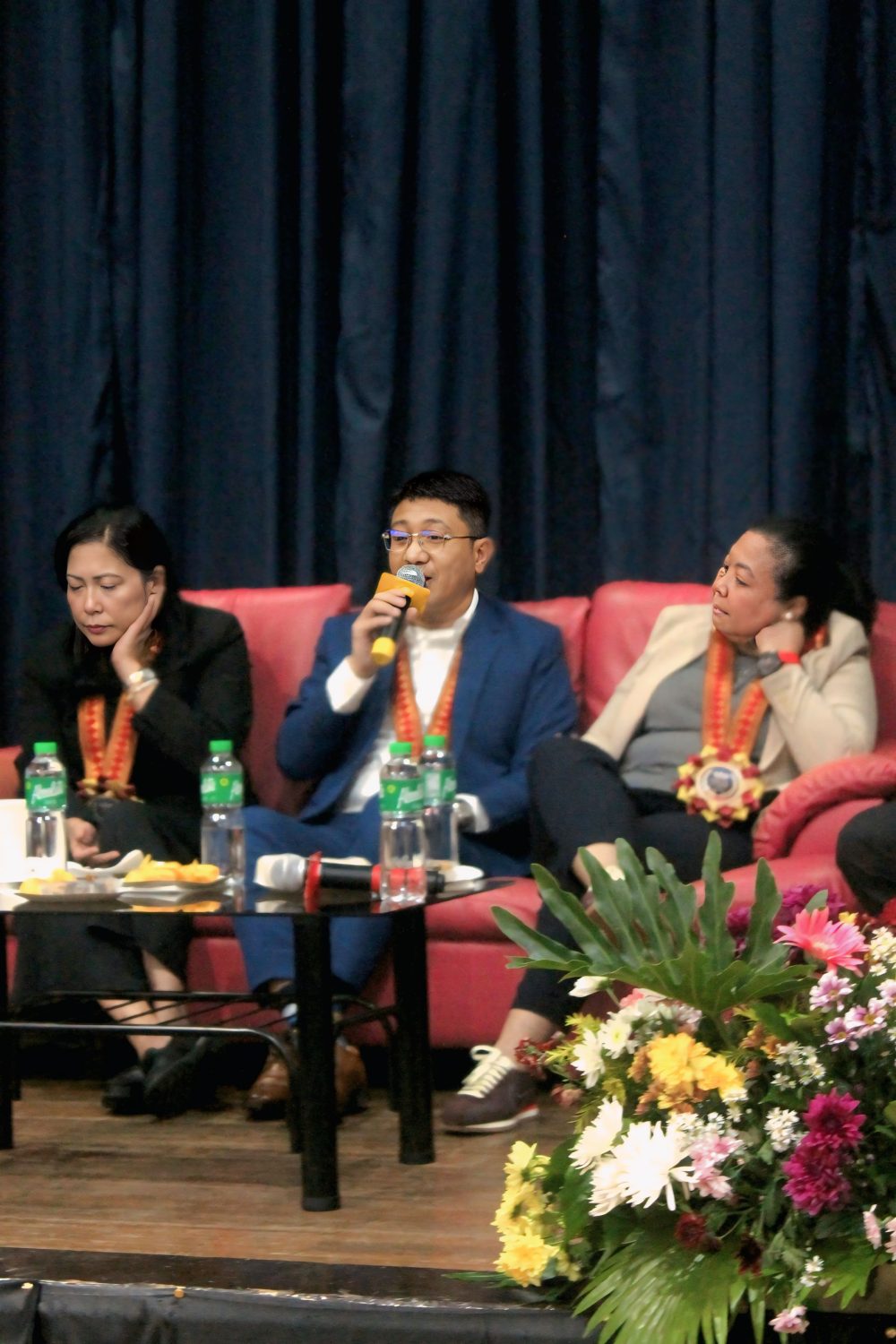
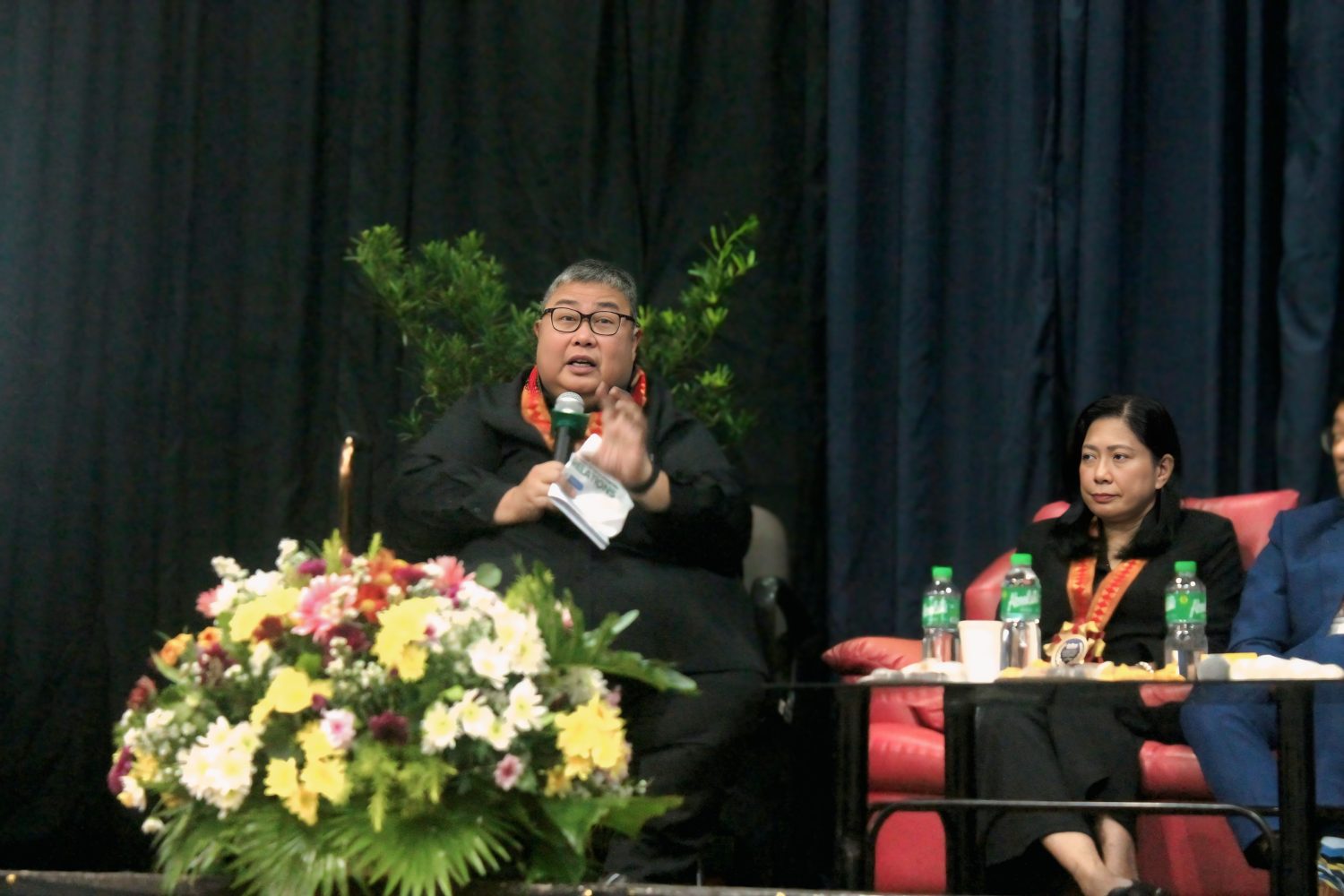
Robust discussion and active engagement Following the presentations, a panel discussion moderated by Dr. Binghay brought together the three speakers, joined by an additional expert, Mr. Argie Jaramilla, Director of Total Rewards for Asia Pacific at Global Payments.
The panel tackled critical questions on balancing budget and management challenges with meaningful rewards, integrating non-monetary recognition, and strengthening the use of data and analytics in total rewards design. Participants actively joined the exchange, raising questions and sharing workplace scenarios.
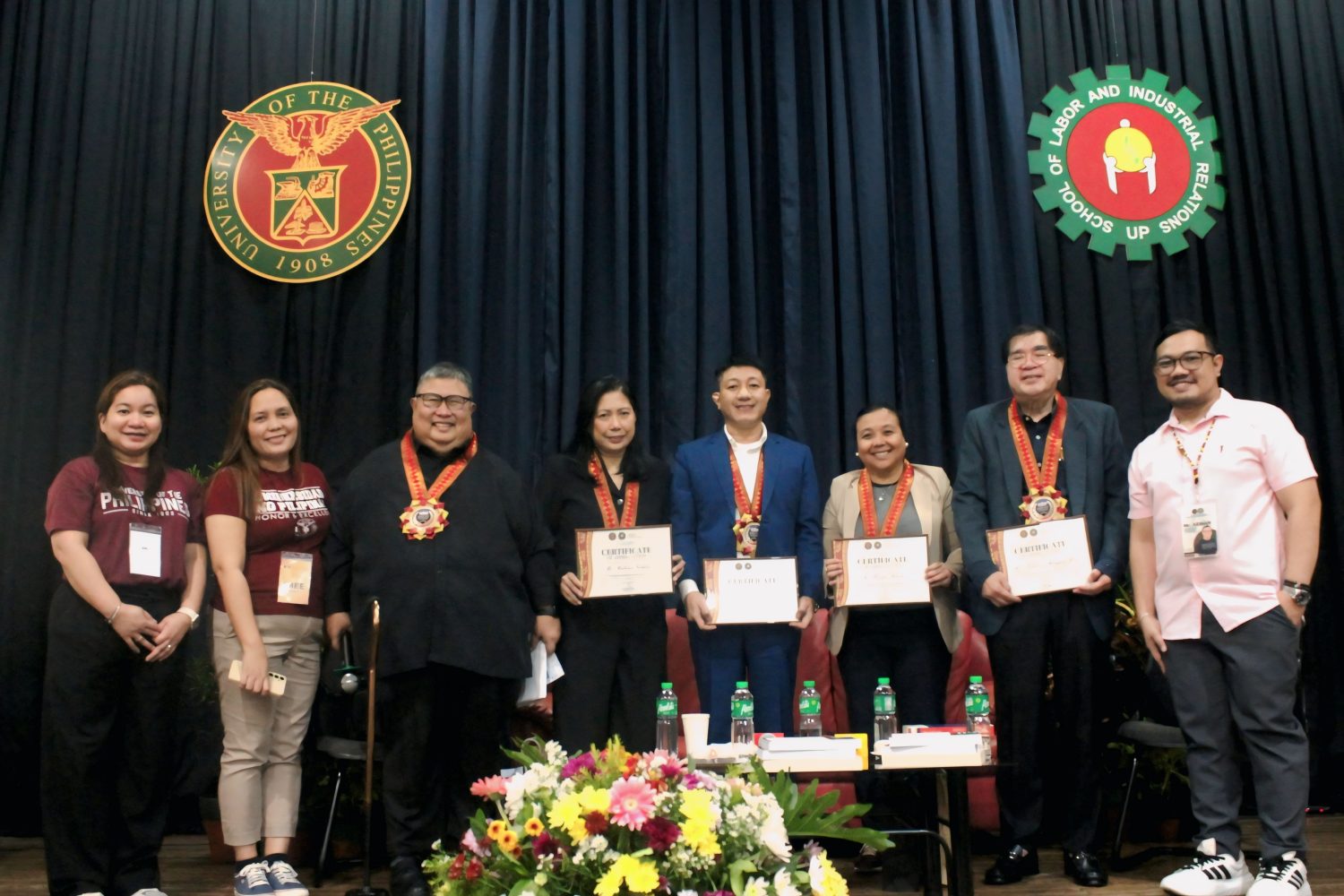
Audience engagement was kept lively through raffle draws held between the speakers’ sessions. And before the closing, the speakers were honored with certificates of appreciation and tokens from the organizers.
Learningandpracticaltakeaways
Participants reported clearer insights into the interconnected nature of compensation, benefits, career development, and recognition in fostering employee motivation and organizational performance. Practical recommendations emerged, such as integrating flexible benefits, increasing transparency in rewards communication, and using benchmarking tools and analytics to evaluate reward program impact.
The symposium reinforced the importance of balancing productivity goals with humane and meaningful employee experiences that promote well-being and long-term commitment.
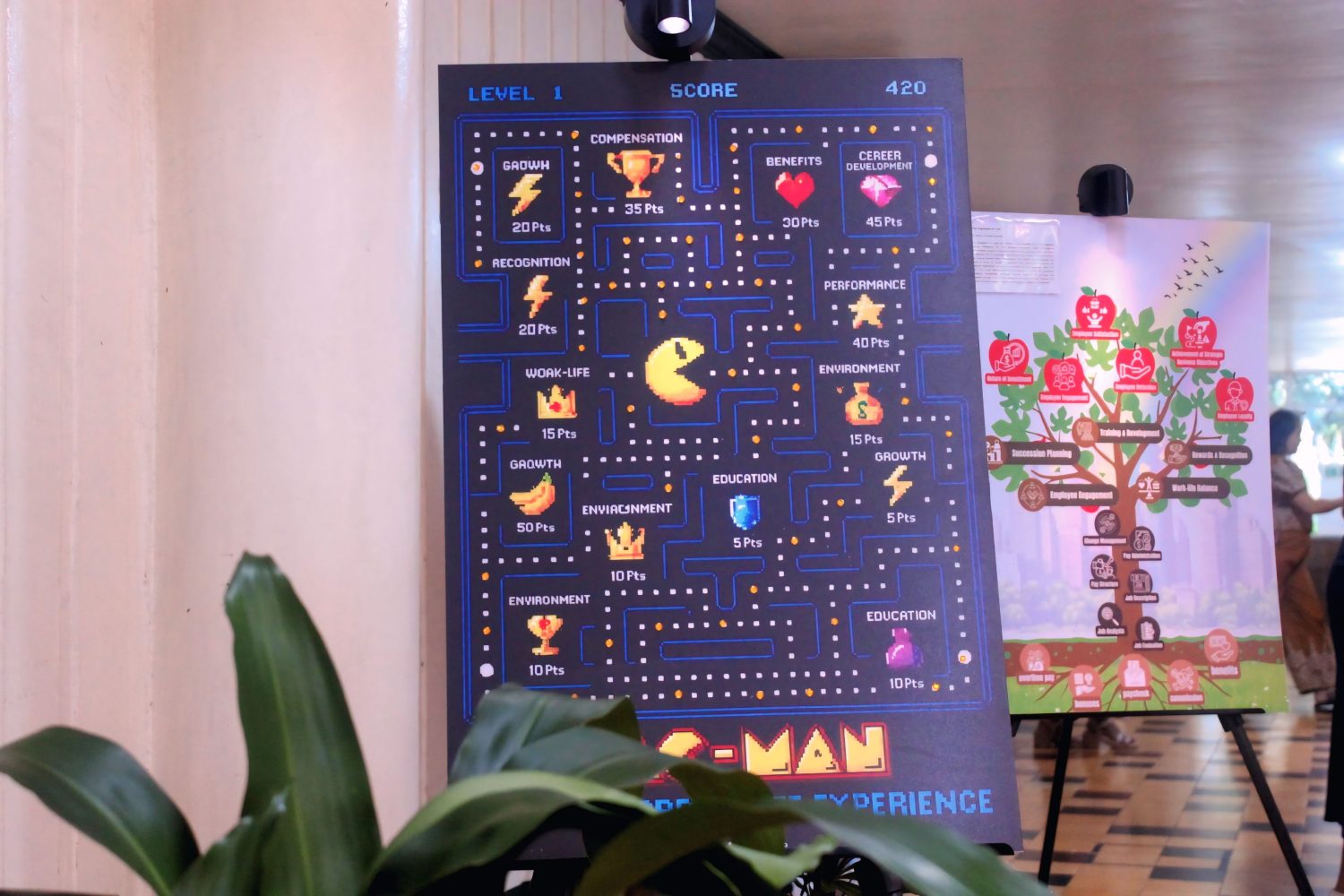
Complementing the talks was an exhibit prepared by the IR 212 class, featuring student outputsoninnovativetotalrewardsdesignsfortraditionalorganizationsandemerging sectors. Attendees viewed posters, models, and program prototypes that transformed theory into actionable frameworks for workplace implementation.
The symposium’s success stemmed from the collective efforts of the IR 212 class, CIPC, and Mercer. Faculty, students, and industry professionals collaborated in content development, logistics, partnership coordination, and participant engagement. This exemplified UP SOLAIR’s commitment to bridging academic learning with industry realities and preparing future HR and IR professionals to design strategic, relevant, and human-centered total rewards systems.
The symposium concluded with the traditional singing of UP Naming Mahal, symbolizing UP’s enduring honor, excellence, and service to the people and the nation.
A post-event evaluation completed by 129 participants revealed strong appreciation for the symposium’s content, delivery, and relevance. Using a 5-point scale (5 as “strongly agree”), the average ratings of some questions from the questionnaire were as follows:
4.55 – The symposium met its objective of transforming compensation practices into holistic Total Rewards strategies.
4.55 – The content was highly relevant to current industry challenges such as flexible work and retention.
4.54 – The focus on holistic and forward-looking approaches was timely and aligned with today’s competitive talent landscape.
4.50 – Participants felt more equipped to apply Total Rewards strategies within their organizations.
4.50 – The overall quality of the symposium was rated as high.
These scores reflect a strong consensus that the event successfully delivered both practical and strategic value to its audience.
Beyond the numerical ratings, participants shared rich qualitative insights highlighting what they found most valuable. Many emphasized the importance of Total Rewards fundamentals, including its five key elements, guiding principles, and the distinction between transactional and relational rewards. A recurring theme was the need for fairness, equity, and transparency, particularly in compensation communication and policy-making.
Attendees also appreciated learning about current and emerging trends in compensation and benefits, supported by Mercer’s extensive data and projections. Several noted that the trends shared, such as hyper-personalized rewards, flexible work arrangements, innovative and
non-traditional benefits, and multi-generational reward preferences were directly applicable to their organizations.
Others emphasized the value of best practices, data analytics, and the integration of metrics, company needs, and organizational values in crafting reward systems. Many commented that aligning Total Rewards with culture, employee well-being, and long-term organizational goals was among their biggest takeaways.
Participants also highlighted insights on employee engagement, inclusivity, competitiveness, and designing rewards that support hiring and retention amid evolving workforce expectations. Several shared that the symposium broadened their understanding beyond traditional compensation and benefits, helping them appreciate the strategic role of Total Rewards in shaping workplace culture and commitment.
Collectively, the feedback underscores a strong takeaway: Total Rewards must be strategic, data-driven, employee-centered, and future-ready—and this symposium equipped participants with the insights, frameworks, and inspiration to move in that direction.